Innovation Sprints: Gen AI Edition

 Connect on LinkedIn
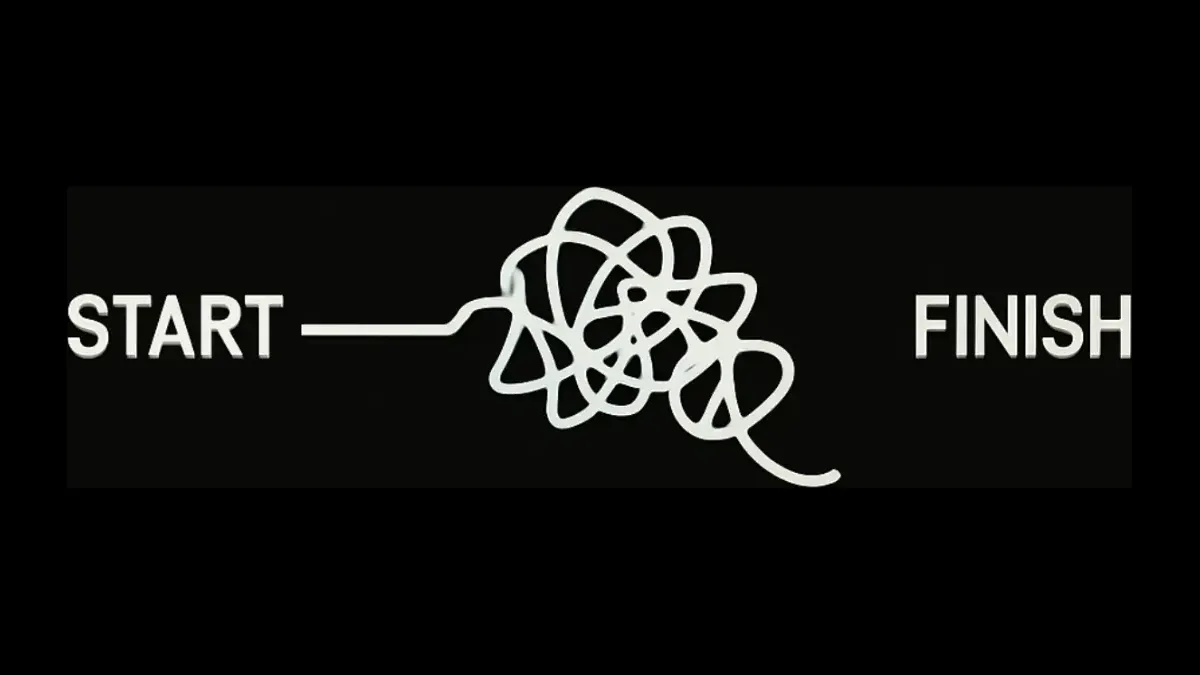
Most innovation approaches were built for a world where ideation, content creation, interface design, and analysis were bottlenecks. Innovation Sprints—short, intense sessions aimed at generating and testing new ideas swiftly—help us open those bottlenecks and solve real customer problems at speed. But now, with generative AI, we can completely eliminate those roadblocks.
The Generative AI Advantage
Unlike other AI applications, generative AI lets you prototype with remarkable fidelity. You can create near-production-quality content variations in minutes, not weeks, generate landing page variants, create personalized product descriptions at scale, and more. But these facts signal a new reality for smart marketers. Now, the limiting factor isn't what you can create—it's knowing what's worth creating.
Here’s how you can turn the possibilities of generative AI into proven wins—in just one week.
The (New) Five-Day Innovation Sprint Framework
Monday: Decode the Real Problem
Don't start with "How can we use ChatGPT?" Start with "What content, communication, or creative challenges frustrate our customers most?"
What you'll do:
Interview five to eight customers about their biggest information and communication pain points
Use our JourneyMapper GPT to map where customers get stuck due to poor content, confusing communication, or lack of personalization
Define one specific problem worth solving (not "improve content"—something like "customers can't figure out which product variant fits their specific use case from our current descriptions")
Generative AI sweet spots: Look for problems involving content creation, personalization at scale, complex explanations, visual storytelling, creative ideation, or information synthesis.
Tuesday: Generate Solutions Using Generative AI's Superpowers
Now you brainstorm—but think like a generative AI native.
What generative AI excels at:
Creating infinite variations of content and narratives
Personalizing communication at an individual level
Synthesizing complex information into digestible formats
Generating creative concepts on demand
Adapting tone, style, and complexity for different audiences
What you'll do:
Bring together marketing, content, and a generative AI power user
Generate 15–20 ideas using this prompt: "Given that generative AI can create personalized content instantly, how might we solve [your specific problem]?"
Focus on solutions that leverage generative AI's ability to create, not just automate
Key rule: Every idea must create content or communication that's more relevant, helpful, or engaging for customers.
Wednesday: Build Quick Prototypes
Create the simplest version that demonstrates generative AI solving your customer problem.
What you'll build:
For new screen interactions: Use tools like Claude Artifacts or v0.dev to generate interactive prototypes that show AI-powered features in context—from smart search interfaces to personalized product configurators
For personalized content: Use ChatGPT to generate 5–10 variations of product descriptions, emails, or explanations tailored to different customer segments
For complex explanations: Create AI-generated content that breaks down complicated topics (product specs, pricing, policies) into customer-friendly language
For creative campaigns: Generate multiple creative concepts, taglines, or campaign ideas using AI, then mock up the strongest ones
For customer support: Build sample AI-generated responses to common questions that are more helpful than current templates
Important: Show the output quality, not the AI process. Customers care about better content, not how it's made.
Thursday: Test with Real Humans
Get your AI-generated solutions in front of actual customers—not your team.
How to test:
Show AI-generated content alongside current versions
Ask: "Which version helps you make a decision faster?" (Generative AI should reduce friction.)
Ask: "Which feels more relevant to your specific situation?" (Test personalization quality.)
Ask: "What questions does this answer that you couldn't answer before?" (Measure utility.)
Red flags: If customers prefer your current content or can't tell the difference, your prompts need work.
Friday: Decide and Scale
Based on testing, choose your path forward.
Three possible outcomes:
Scale it: Strong customer preference + manageable implementation = build the prompt library and workflow
Refine it: Right direction but needs better prompting or different content types = iterate on approach
Shelve it: AI-generated content isn't meaningfully better = focus on different customer problems
If you're moving forward: Document your best prompts, define quality standards, and plan your content production workflow.
What Makes This Different from Generic AI Innovation
Content-first thinking: Instead of asking "Where can we add AI?" ask "What content would be most valuable if we could create it instantly and personally?"
Quality obsession: Generative AI can create infinite mediocre content. The innovation is in prompting for content that's genuinely more useful to customers.
Scale mindset: Once you nail the prompt, you can generate thousands of variations. Think systems, not one-offs.
When Generative AI Innovation Won't Work
This approach fails when you:
Assume AI-generated content is automatically better than human-created content
Focus on efficiency gains instead of customer experience improvements
Prompt generically (AI outputs generic results from generic inputs)
Can't maintain quality control at scale
Fail to create content customers prefer over the current experience
Getting Started
Pick one content or communication problem where you currently tell customers "we can't customize that" or "here's our standard response." Something specific where personalization or better explanation would clearly help.
Then see if generative AI can create what was previously impossible or impractical.
The opportunity: Every customer touchpoint involving words, images, or creative concepts is now malleable. The question isn't whether generative AI can help—it's where to start.
Ready to sprint?